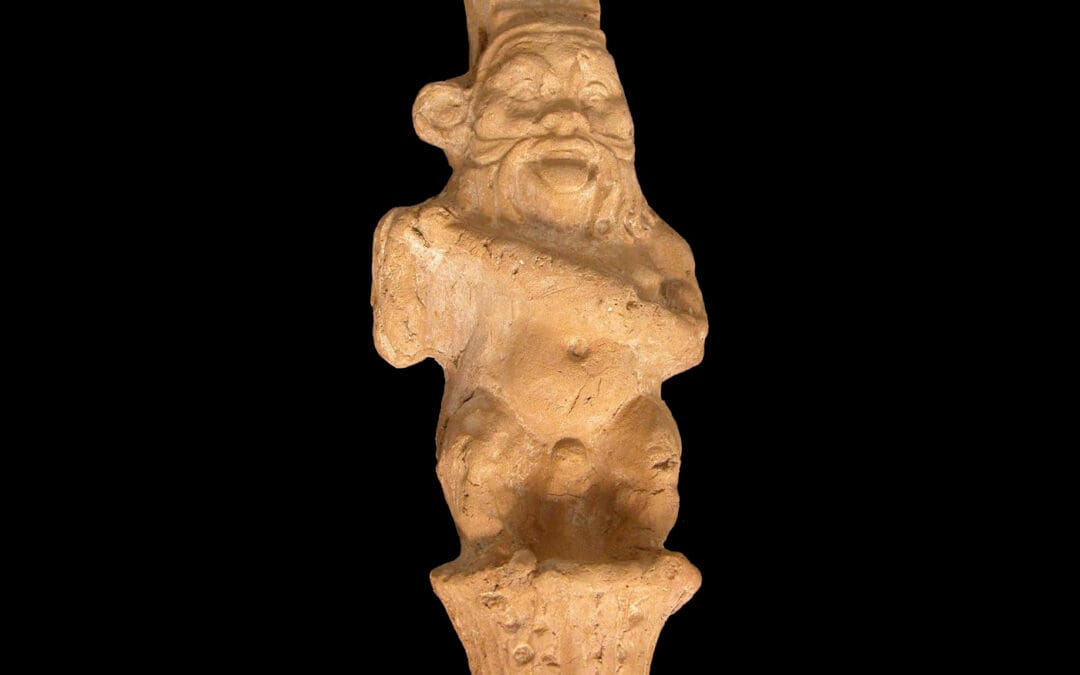
The Egyptian god Bes was a protector of households and families, particularly women and children, as well as a patron of music and merriment. This figurine shows Bes standing atop a palm capital or tall lotus flower, wearing a triple-plumed headdress. He is shown...
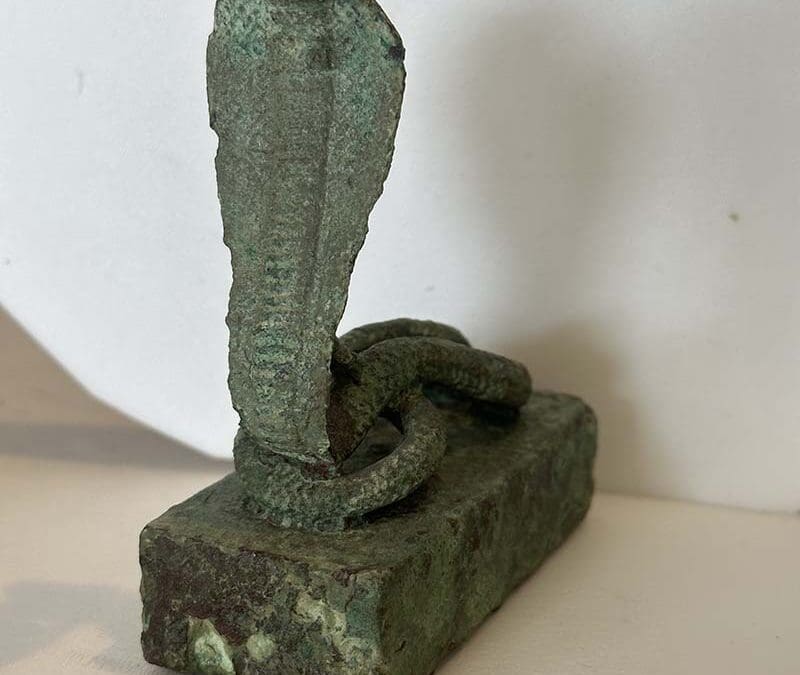
The rearing cobra, also known as the uraeus, was a central symbol of kingship and rule in Ptolemaic Egypt. Cobra figures were dedicated as votives to the goddess Wadjet; they were also incorporated into architecture and furniture as well as royal headpieces. This...
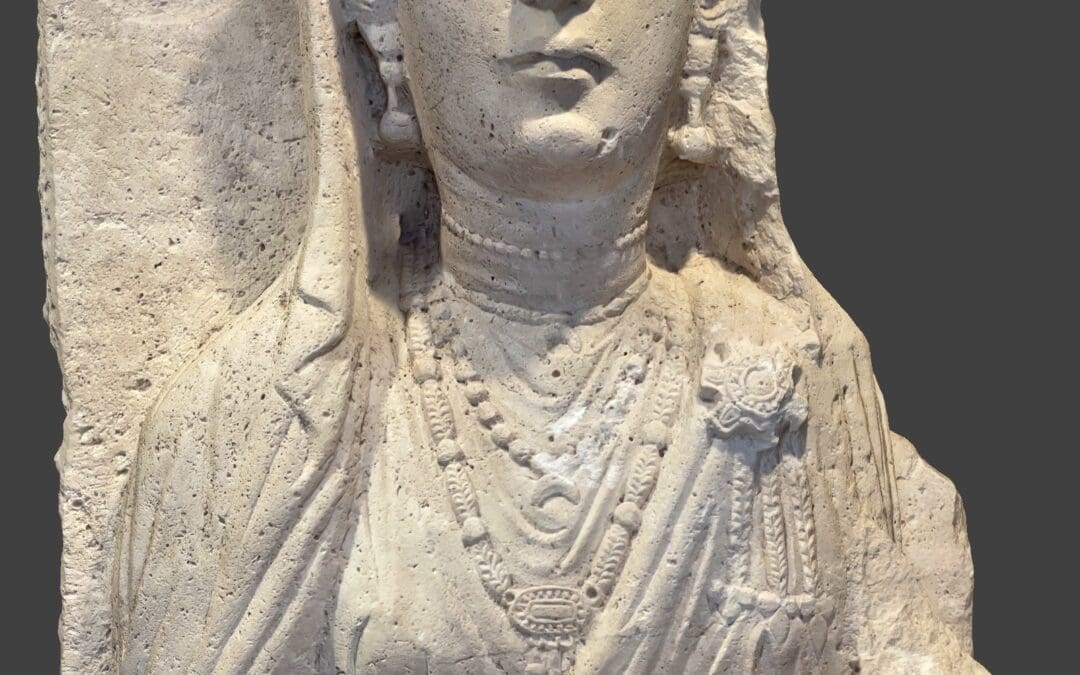
This funerary portrait is of a woman from the city of Palmyra. Palmyra is well-known for this style of relief portraiture, and there are over 3,000 of these funerary reliefs existing today. These reliefs were most likely mass-produced in local workshops, and the final...
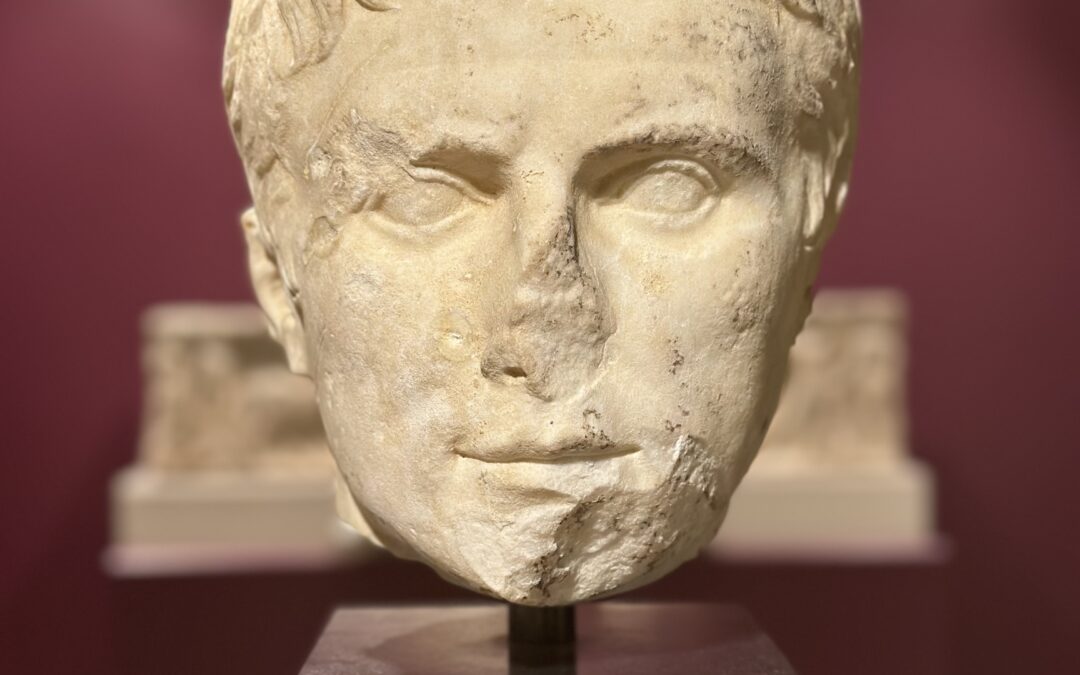
Octavian, grandnephew and adopted son of Julius Caesar, was hailed as the bringer of peace and prosperity to the Roman world after a long period of civil and military strife. In 27 BCE, the Roman Senate conferred on him the honorary title of Augustus. Soon after, a...
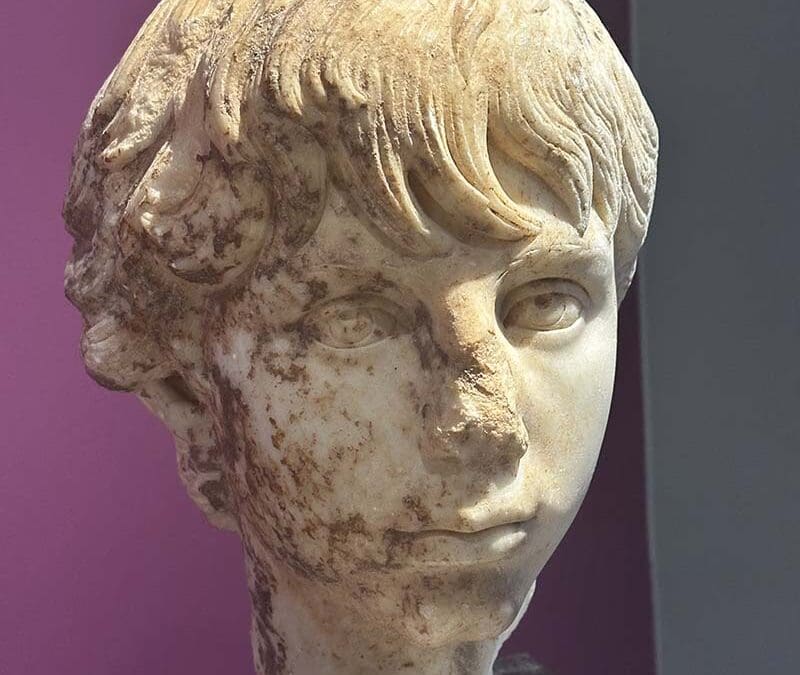
Polydeukion was one of the favorite pupils of the well-known Athenian sophist and philanthropist Herodes Atticus, who lived in Greece in the 2nd century CE. In the year 147 or 148, the young man met an untimely death, and Herodes commissioned many portraits in his...
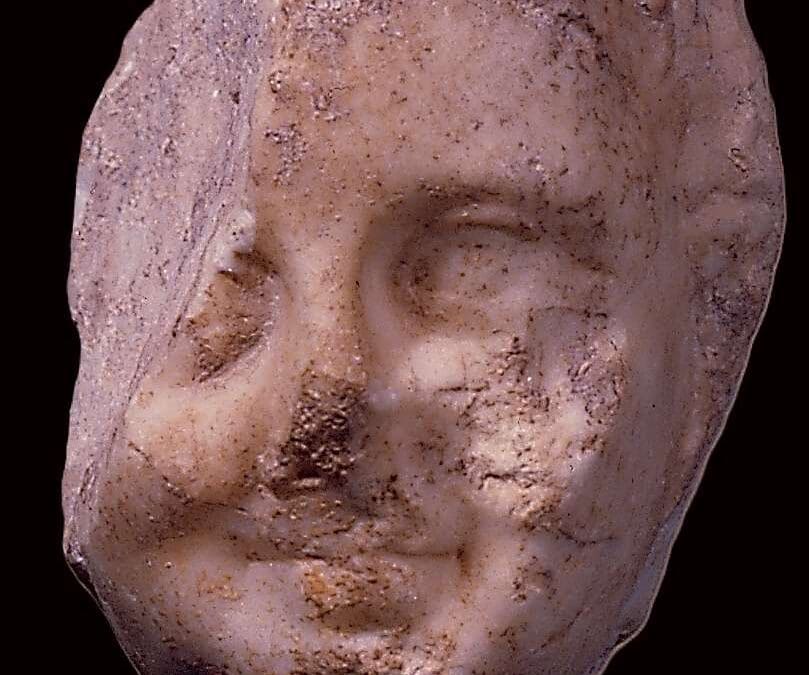
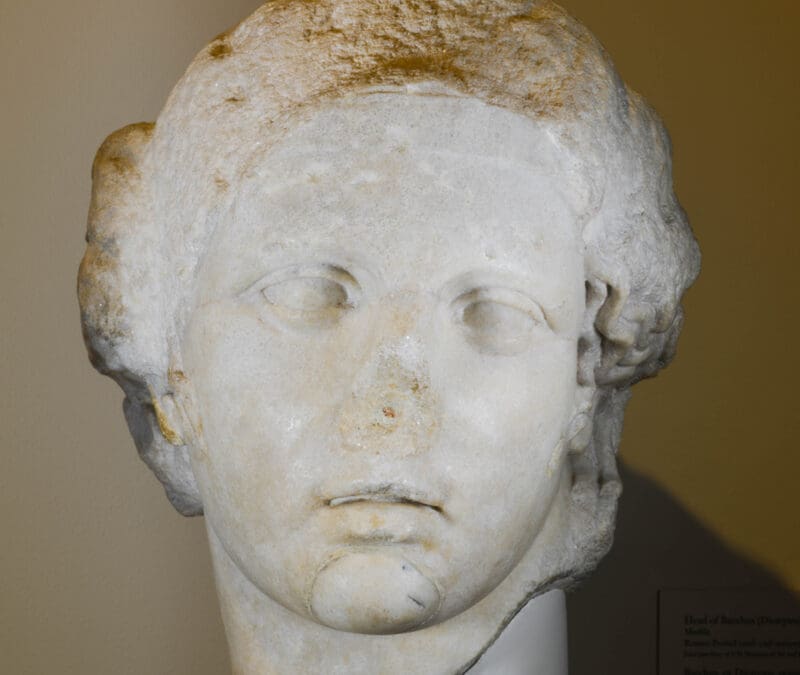
Bacchus, or Dionysos, popularly known as the god of wine, was also a deity of fertility and vegetation–particularly of fruit trees, including the vine. His cult was one of the most widely followed in the Roman world. This head possibly once belonged to an...
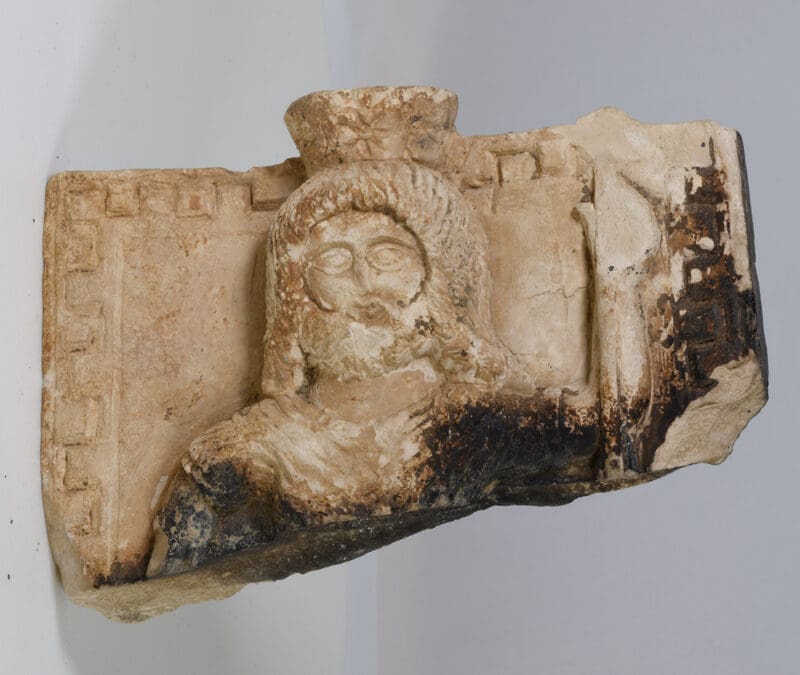
A relief fragment made of limestone that depicts the Egyptian god Serapis. The worship of Serapis was made popular by Ptolemy I Soter, and Serapis is often associated with the god Osiris-Apis. Serapis was further Hellenized to correspond to Zeus by Greek traders and...